
1134 LEARN · VOICE · 3 MIN READ
How your voice works
Air, vibration and shape. A clear starting point for the voice behind the microphone.
A living instrument
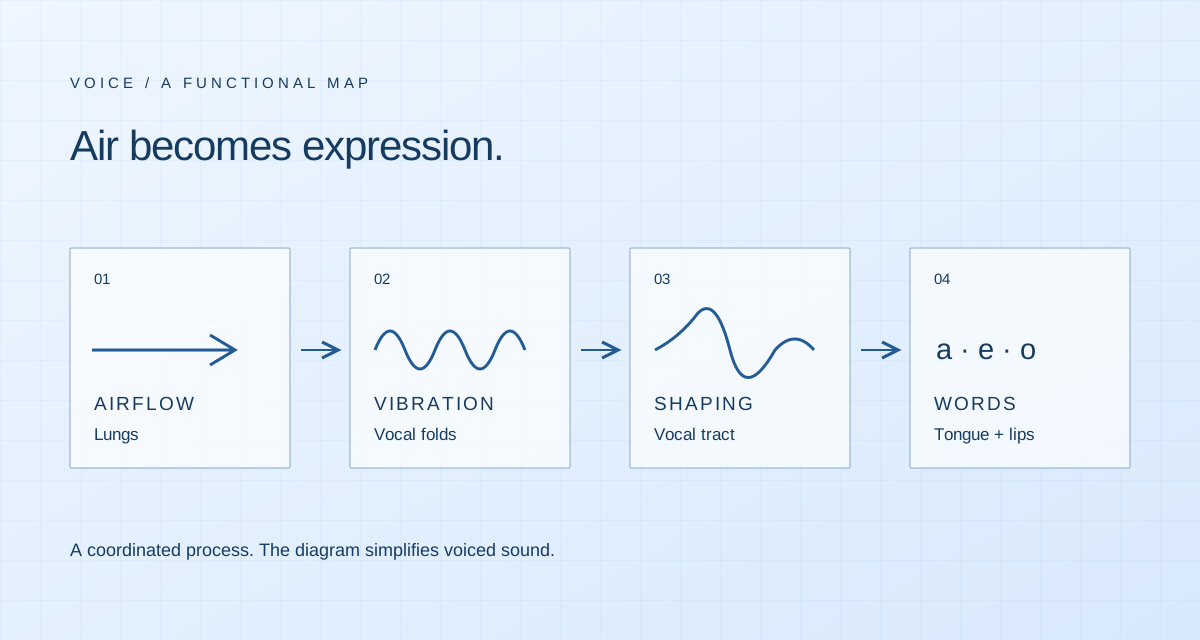
A vocal take begins before the microphone. Airflow, vibrating tissue and the shape of the vocal tract work together; the microphone captures the result. For voiced sounds, airflow from the lungs supports vibration of the vocal folds in the larynx. Movements of the tongue and lips help form speech. This is a useful first map for singers and rappers, not a set of separate switches to force on. NIDCD explains voice production ↗
The source: vocal-fold vibration
The vocal folds are in the larynx, above the windpipe. Their vibration creates the source for voiced sound; the mouth does not create a sung note on its own. Pitch, loudness and tone are related parts of a coordinated process, not three completely independent controls. A rap line also alternates voiced vowels with other speech sounds, so the simple diagram does not describe every consonant. Learn the terms to communicate an intention, rather than to micromanage your throat. See the NIDCD overview ↗
The filter: the space above
The sound is shaped as it travels through the throat and mouth, with the nasal cavity involved in some sounds. The tongue, lips and other structures change that acoustic space. This helps explain why the same note can have different vowel colors. In a hook, choose a clear word and an expressive vowel before reaching for an equalizer. A brighter recorded tone is not automatically a higher note, and a darker tone is not automatically a lower one. NIDCD: voice and resonating cavities ↗
The body: breathing, not a hidden speaker
The diaphragm is a major breathing muscle beneath the lungs; muscles around the ribs and abdomen also participate in breathing. It is not where the singing sound is made. “Sing from the diaphragm” is an incomplete metaphor, not a literal anatomy instruction. For a session, plan a phrase you can deliver comfortably instead of chasing a feeling of extreme pressure. A voice teacher can help turn a musical goal into individual coordination. NHLBI: the muscles used for breathing ↗
Listen for one thing at a time
Use a short line that already feels comfortable. Listen to an existing take three times: first for the words, then for pitch movement, then for rhythm. Write one change you want in the next take—perhaps a clearer ending or a quieter entrance. The anatomy explains the instrument; it does not replace listening. Stop a practice attempt that hurts or leaves the voice strained. Persistent hoarseness or effort deserves assessment by a qualified health professional, rather than more repetitions.