
1134 LEARN · VOICE · 3 MIN READ
Range is not the whole story
Find a place for the song, not a label for yourself. Understand range, tessitura and a useful key.
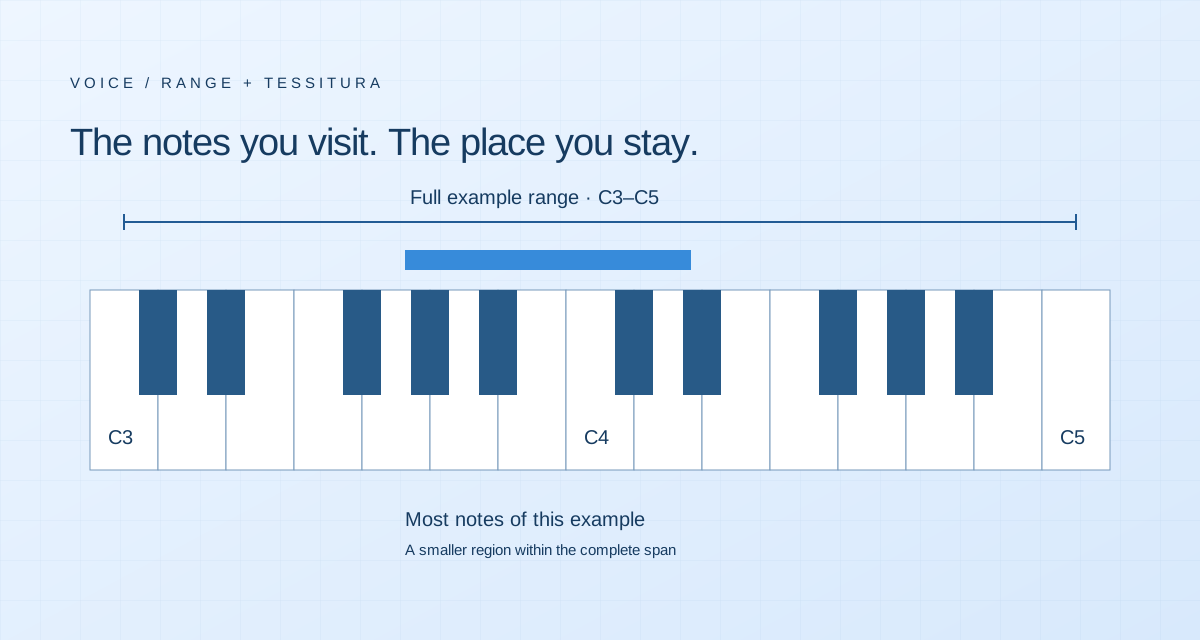
Two questions, two different answers
Range describes the span between the lowest and highest notes. Tessitura describes where a part mainly sits; in teaching, the term can also refer to a comfortable region of a voice. A melody that briefly touches one high note is a different task from a chorus that repeatedly stays there. Looking at the two endpoints misses that difference. Teachers consider repertoire tessitura when choosing material for a developing singer. NATS: studying repertoire tessitura ↗
Read a note name without making it a target
The letter names the pitch class, and the number identifies the octave. In the common scientific notation used here, C4 is middle C; C3 is an octave lower and C5 an octave higher. Some music software numbers octaves differently, so check the convention before comparing screenshots. The keyboard illustration is a fictional melody map. Its C3–C5 span is neither a beginner goal nor a standard that every voice should meet. A higher number on a chart does not measure musical value.
Choose the key for this song
A key that suits one song may not suit another. What matters is the actual melody, including repeated notes, long phrases and the sound you want to use. Berklee recommends comparing the song’s range with your comfortable range when selecting a key. For a sung urban hook, review the chorus first: it often contains the part you will repeat most. Transposing the instrumental is a normal arrangement choice, not a concession. Berklee: range, key and pop/R&B singing ↗
Make a practical map
Work from a phrase you can already sing comfortably. Write down its lowest and highest notes if you know them, where most of the line sits, and which words feel easy to repeat. Add a note about the desired tone: intimate, light, conversational or full. The aim is a useful session note, not a maximum-range test. If you are unsure about the pitches, a teacher or accompanist can help. Do not keep climbing or descending just to fill a chart.
Compare complete phrases, not trophies
If two keys both feel comfortable, record the same short phrase in each and listen back at similar levels. Compare the clarity of the lyric and the character of the delivery, rather than choosing the take with the highest note. Leave room for the rest of the song and its repetitions. A range measurement alone cannot assign a voice type, and the diagram does not set limits by gender. Keep the version that lets the performance communicate. Berklee on comparing possible keys ↗