1134 LEARN · VOICE · 3 MIN READ
Make the phrase move
Rhythm, diction and space for rap, melodic verses and sung hooks.
Find the pulse beneath the words
A beat can mean a drum pattern, but it also means the repeating pulse beneath the music. Tempo is the speed of that pulse, measured in beats per minute. Start by tapping the pulse while listening, before deciding where every syllable belongs. Rap, reggaetón, melodic trap and R&B contain many different approaches to timing; one grid cannot define them all. Use it as a reference you can hear and feel. Ableton: beat and tempo ↗
Choose the words that carry the line
Write an original two-line phrase. Underline the words that carry its meaning, then speak it in your own natural accent at an easy conversational level. Notice which syllables you already emphasize. Bring those accents to the beat instead of flattening every syllable into equal weight. Diction means making an intentional delivery intelligible; it does not require replacing your accent. Keep slang, regional vowels or a bilingual switch when they belong to your voice and the lyric.
Use the grid as a comparison
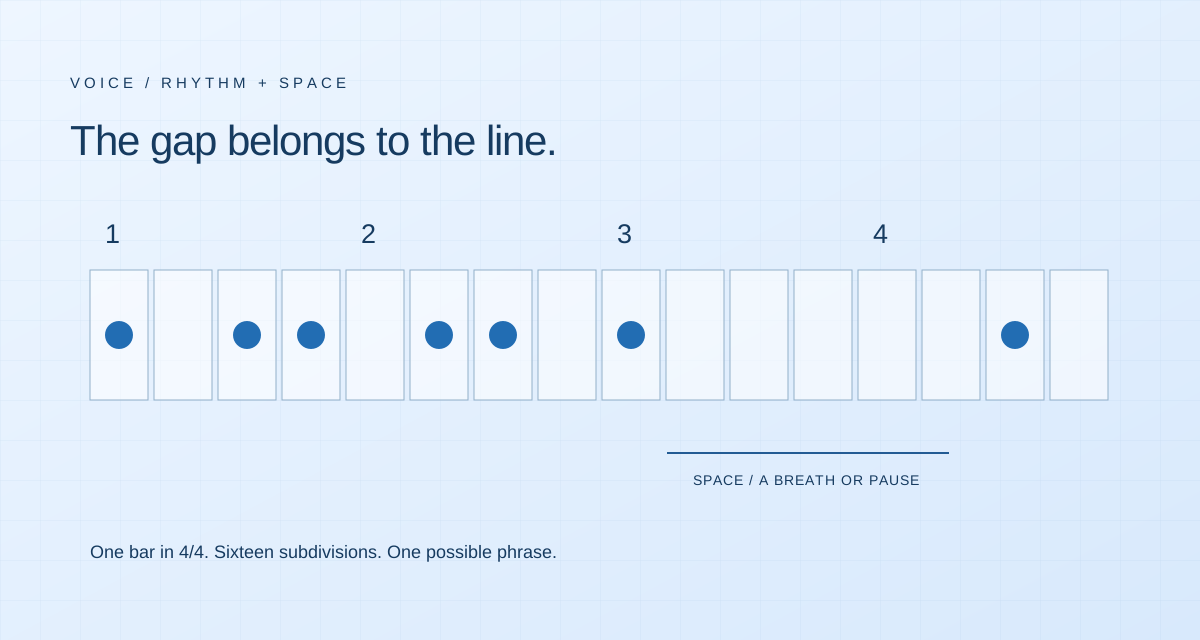
For a simple 4/4 example, count four main pulses and imagine each divided into four smaller slots. Place one important word on a pulse, then try that word a little before or after it. Listen to how the relationship with the kick or snare changes. You do not need to quantize a vocal to decide. The diagram shows just one possible pattern. Preserve the take’s musical motion when an exact grid placement makes the delivery feel stiff.
Leave room for the sentence
A pause can separate ideas, invite a response or make the next word land. Mark a few possible breath points in the lyric where they make musical and linguistic sense. Try a shorter phrase or remove a filler word if the line cannot be delivered comfortably. The goal is not to prove that you can last longest without breathing. A deliberate gap can be stronger than an extra syllable, especially when the instrumental already supplies plenty of movement.
Turn a verse into a hook
Keep the same lyric and change one dimension: make the rhythm simpler, hold one comfortable note longer, or repeat a short phrase. Record two easy versions. Compare the end of each line, the contrast with the verse and the space left for an ad-lib. When arranging doubles, decide which words need reinforcement instead of filling every gap. Save an untreated vocal take so that effects and editing remain choices. A clear intention is easier to produce than a pile of indistinguishable takes.