
1134 LEARN · VOICE · 3 MIN READ
Before the first take
A calm, repeatable session for a voice with something to say.
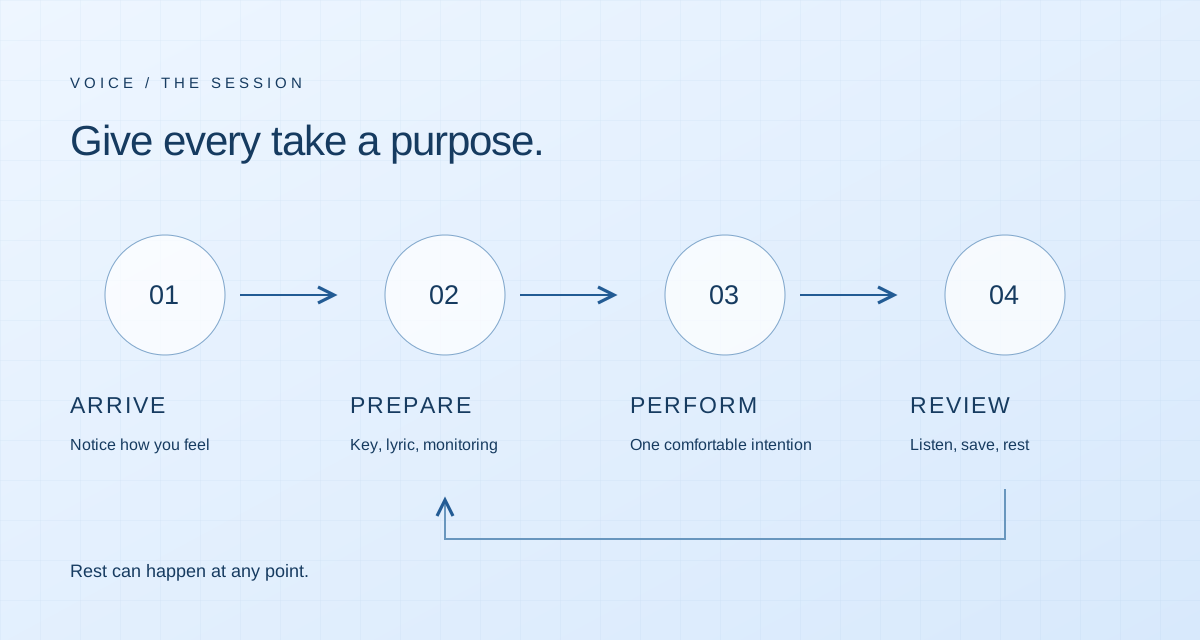
Arrive with a realistic starting point
Notice how your speaking voice feels before building a demanding session around it. NIDCD recommends hydration and voice breaks, and warns against trying to speak over loud background noise. Keep water available and make room for rest. A session does not have to produce a final vocal to be useful: lyric edits, arrangement decisions or listening notes can still move the song forward. If the voice is hoarse or strained, do not treat another take as the solution. NIDCD: healthy voice habits ↗
Prepare the song before testing the singer
Open the correct instrumental, confirm the key and set a clear starting point. Put the current lyric where it is easy to read; mark entrances, pauses and any changed words. Decide which section matters today. A short sung hook, one verse and a stack of ad-libs are different tasks, and they do not all need to happen in one sitting. If the melody sits awkwardly, revisit the arrangement or key before making repeated attempts at the same passage.
Make the monitor mix comfortable
Start playback quietly and choose a monitoring level that lets you hear the performance without competing with the track. Record a brief test and check for clipping, unwanted noise and a distracting delay in the headphones. Keep useful distance and input settings documented so you can return to them. A louder headphone mix is not a reason to sing harder. Good preparation gives attention back to the lyric; it should not make the performer solve technical problems with extra vocal effort.
Give each take a purpose
Choose one intention before recording: a clearer last word, a more relaxed entrance or a different rhythmic accent. Listen back before deciding whether another pass is needed. Name promising takes and write a short note while the difference is fresh. Separate performance choices from effects choices; you can decide on delay throws after capturing a phrase you like. When repeating a passage, keep checking comfort. Stop if singing hurts, and do not use a countdown or a target take count to override that signal.
Close the session while it is still useful
Save the project, preserve the original takes and make a simple rough reference. Write the next decision in plain language: “choose a key for the second hook” is more useful than “fix vocals.” Finish with enough information to continue without recreating the entire session. Persistent hoarseness, pain or effort when speaking or singing deserves advice from a qualified health professional. These pages offer general music education, not diagnosis or a treatment plan. NIDCD: when to seek help for a voice problem ↗