
Before the first take.
A calm setup leaves more room for the performance. Use this short routine before recording a voice, an instrument or a sound you want to transform.
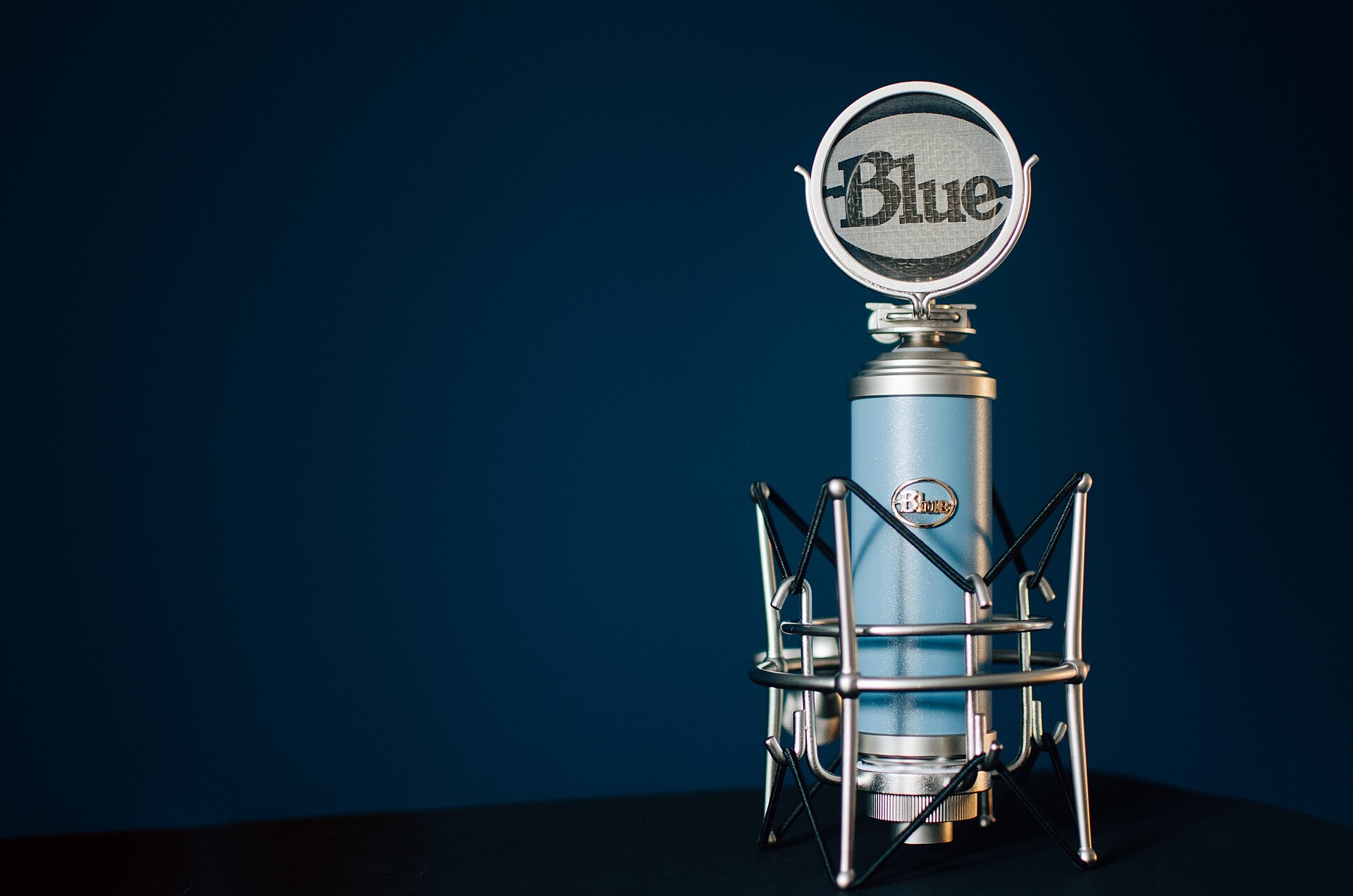
Give the session a home.
Name the project and save it before recording. Label the track with the source and keep take names simple. Check the project's sample rate and recording format against the session you are working in. Changing a setting later is not a substitute for making a good recording now.
For the settings in your DAW, see Apple's recording preparation guide or Ableton's recording guide.
Check the whole route.
Confirm the selected input, the armed track and the monitoring path. Play a short phrase, record it, stop and listen back. A moving meter proves that a signal is present; playback tells you whether you recorded the signal you intended.
- Listen for room noise, cable noise and an unexpected second monitoring path.
- Check the source, distance and placement before reaching for an effect.
- Make sure the cue mix lets the performer hear timing and pitch clearly.
Leave room for the loud part.
Rehearse the loudest section while setting the input gain. Leave space for a stronger take and check for overload at the interface as well as in the DAW. The headphone volume and recording input gain serve different purposes; turning down the headphones does not lower the recorded input level.
Avoid relying on a channel fader to repair an overloaded input. The signal has already passed through the input stage.
Capture a little context.
Allow a moment before the performance and keep the ending, including the natural decay. Record a short stretch of the room by itself when that will help you judge background noise. Note any processing printed into the recording.
Leave with a usable session.
Listen to the start, loudest passage and ending of a take before moving on. Save, confirm that the audio files are included with the project, and keep a separate backup. A useful take deserves a name you can find tomorrow.